Applications
R&D & pilot lines
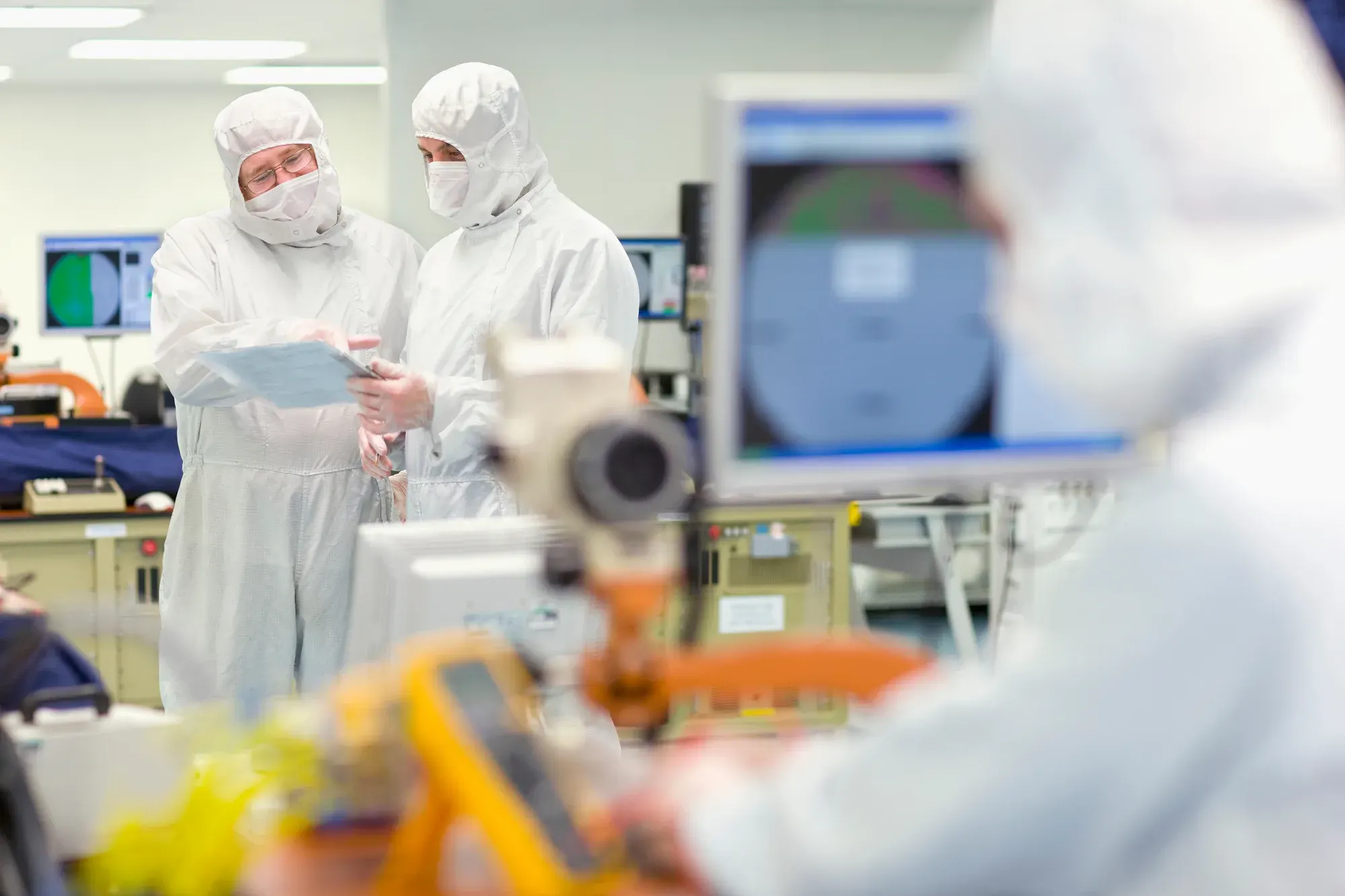
Research platforms live a different life: many users, many materials, frequent changeover — and one day, a process that must transfer to production. Buying for flexibility today and transferability tomorrow is the core selection problem.
The process challenges that recur
One chamber, many missions
A university tool may see silicon on Monday and lithium niobate on Friday. Configuration breadth, contamination management and recipe discipline matter more than peak throughput.
Budgets bought in pieces
Grants fund instruments incrementally. Upgrade paths, module compatibility and honest minimum configurations decide long-term value.
The lab-to-fab gap
A process developed on a flexible platform must survive transfer to a production tool. Knowing that path in advance protects years of work.
Typical process steps we support
- Open-configuration DRIE and RIE
- Research PECVD with multi-material capability
- Vapor-phase HF release for MEMS research
- Small-batch thermal processing
- Pilot-line automation options
How we help
Configure for the real user base
We map the instrument to the materials and projects it will actually see — including the ones the proposal did not mention.
Protect the upgrade path
Configurations chosen so the next grant extends the platform instead of replacing it.
Plan the transfer early
When a research process heads to production, we help define what data the receiving fab will need — before it is needed.
What to prepare for a first discussion
- Research fields and material systems
- User base: dedicated line or shared facility
- Wafer sizes and substrate types
- Budget structure and procurement timeline
- Facility constraints (space, gases, utilities)
- Production-transfer ambitions, if any
Have a structure, film or thermal step to discuss?
Send a short description of your application — device type, material, wafer size and what a good result looks like. An engineer will reply with a concrete next step.